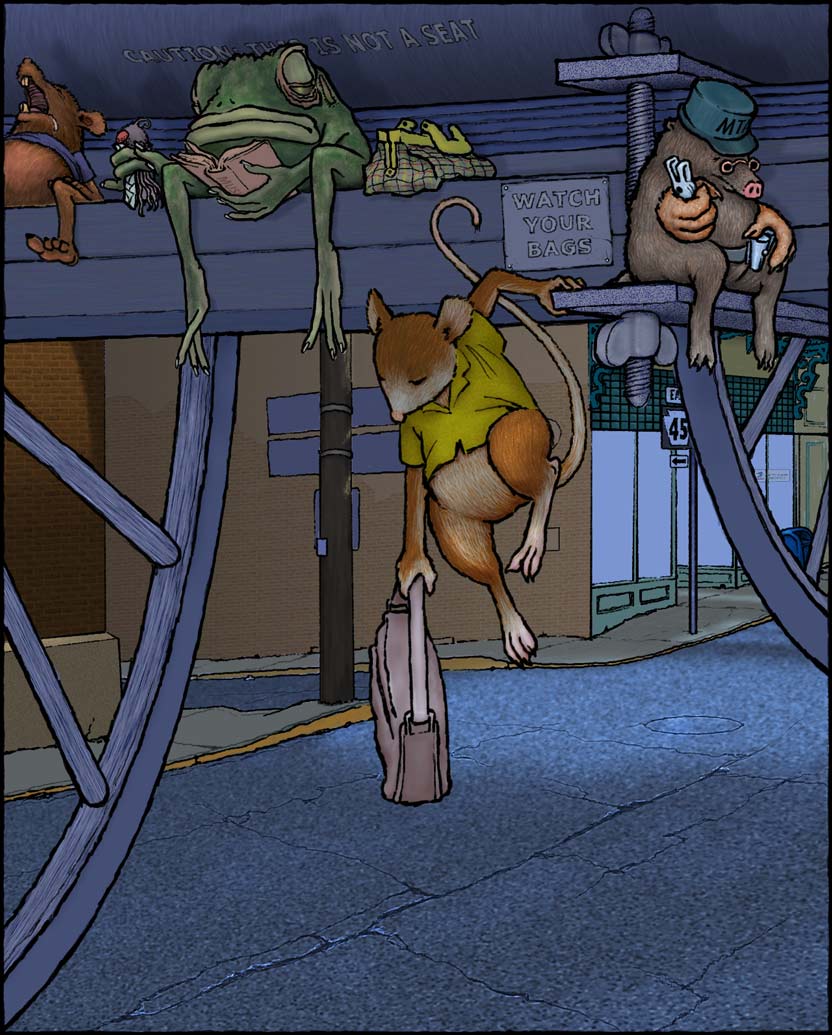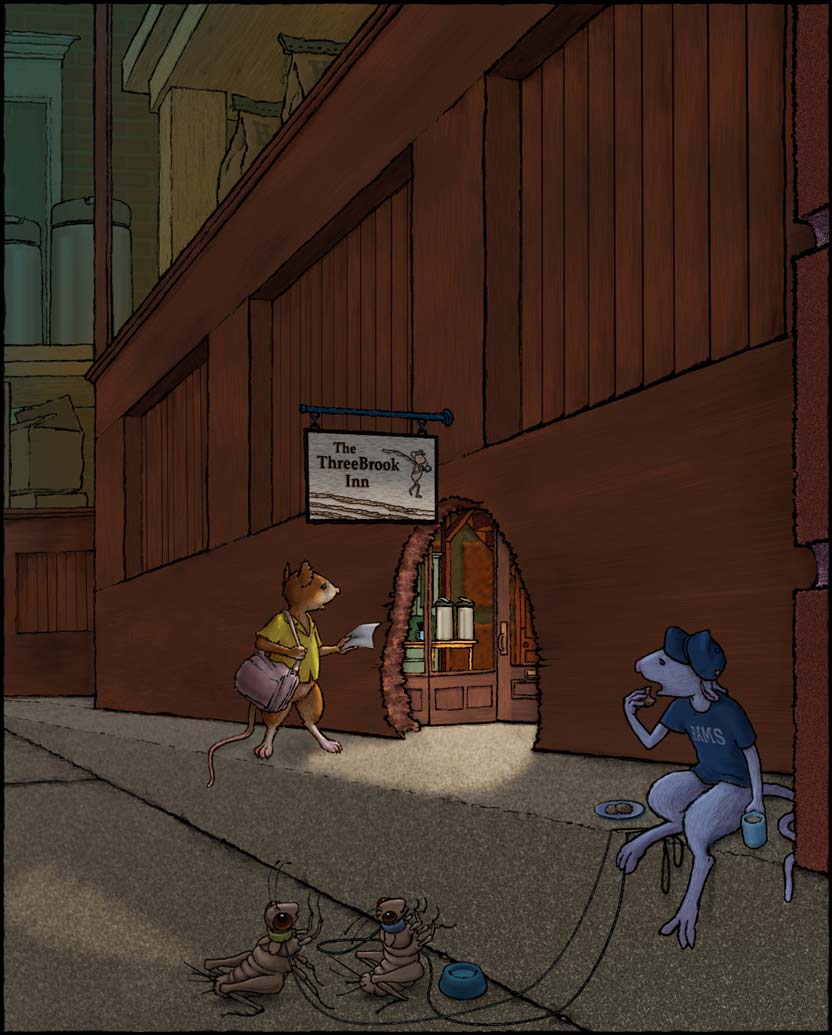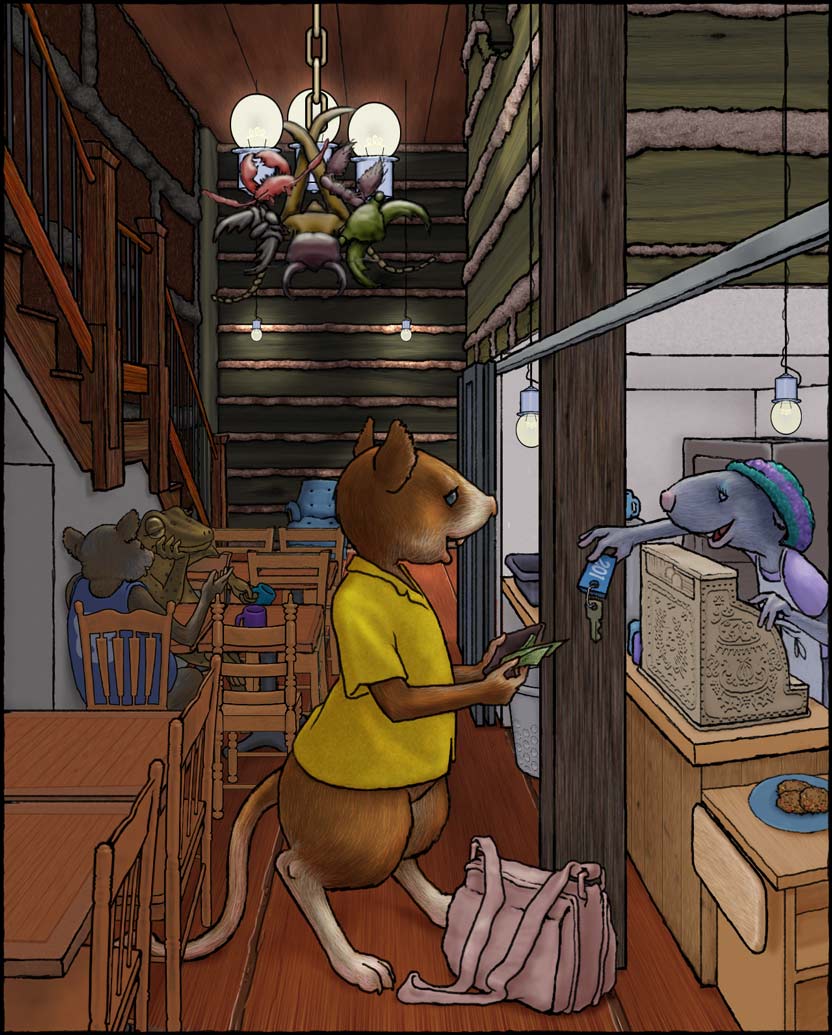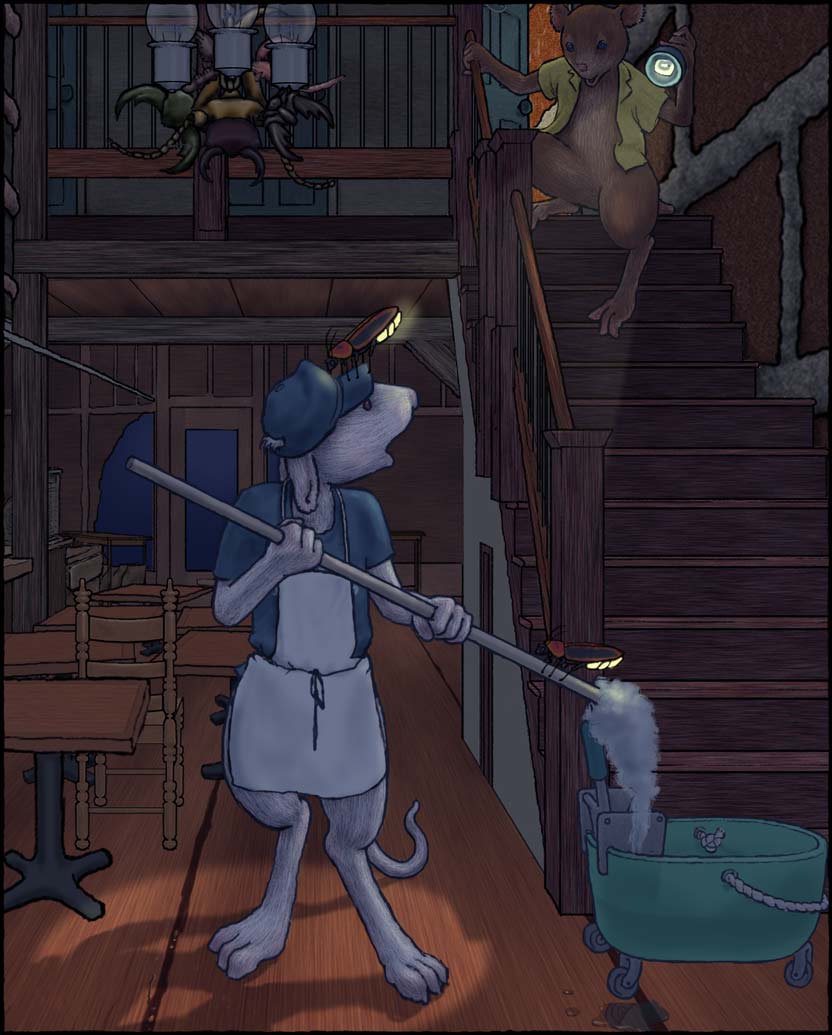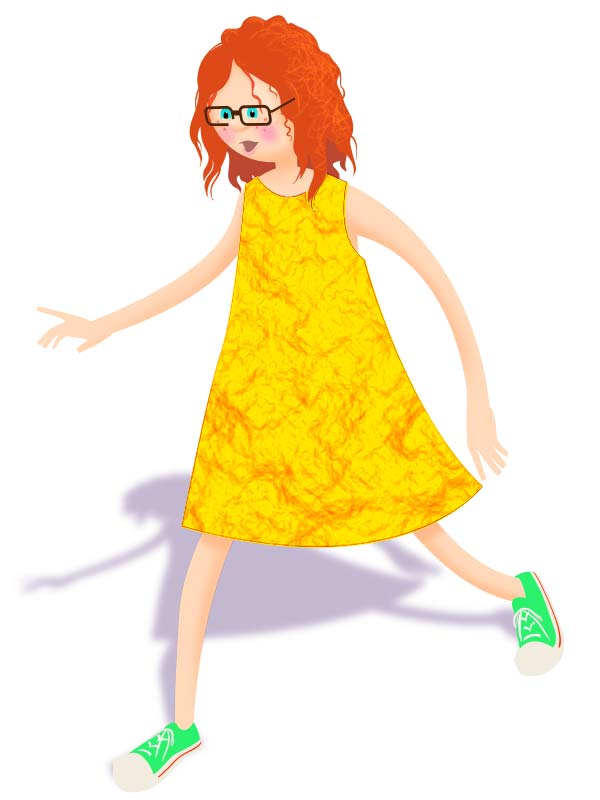
This is becoming a pretty big failure. I like this character a little more, but over all, I’m not liking the project. Maybe it’s the weather. I’ll shelve it for a while. Frustrating as hell.
Late edit. I’m done. At least she’s smiling.
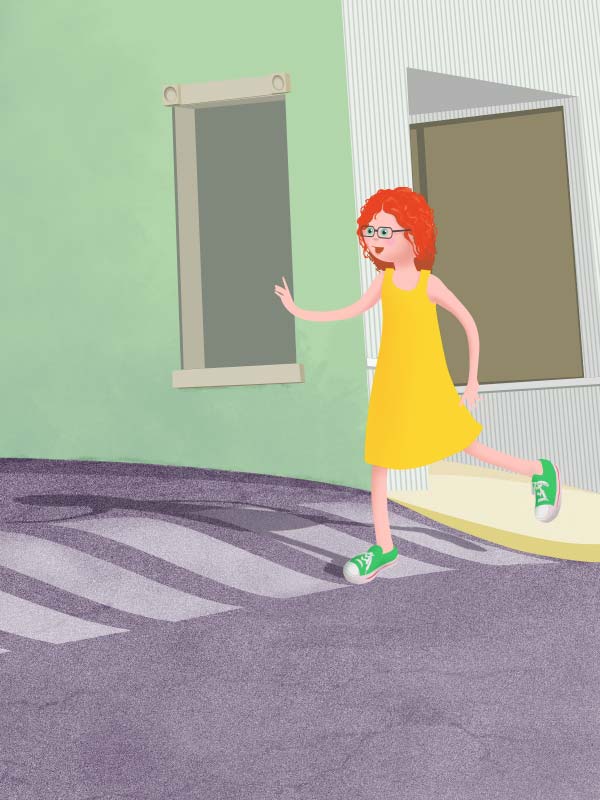
no screaming this time, just a big stick
This is becoming a pretty big failure. I like this character a little more, but over all, I’m not liking the project. Maybe it’s the weather. I’ll shelve it for a while. Frustrating as hell.
Late edit. I’m done. At least she’s smiling.
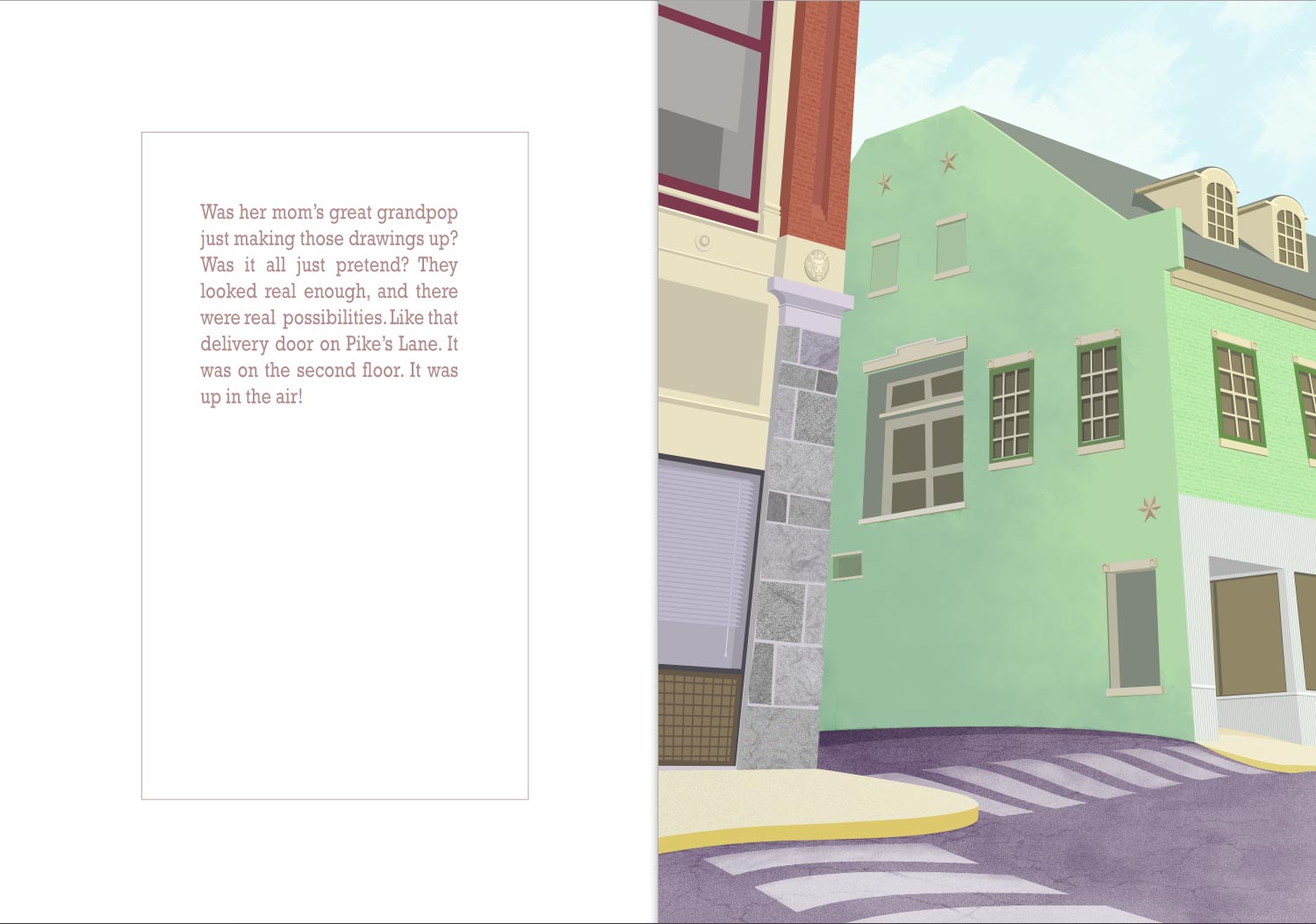
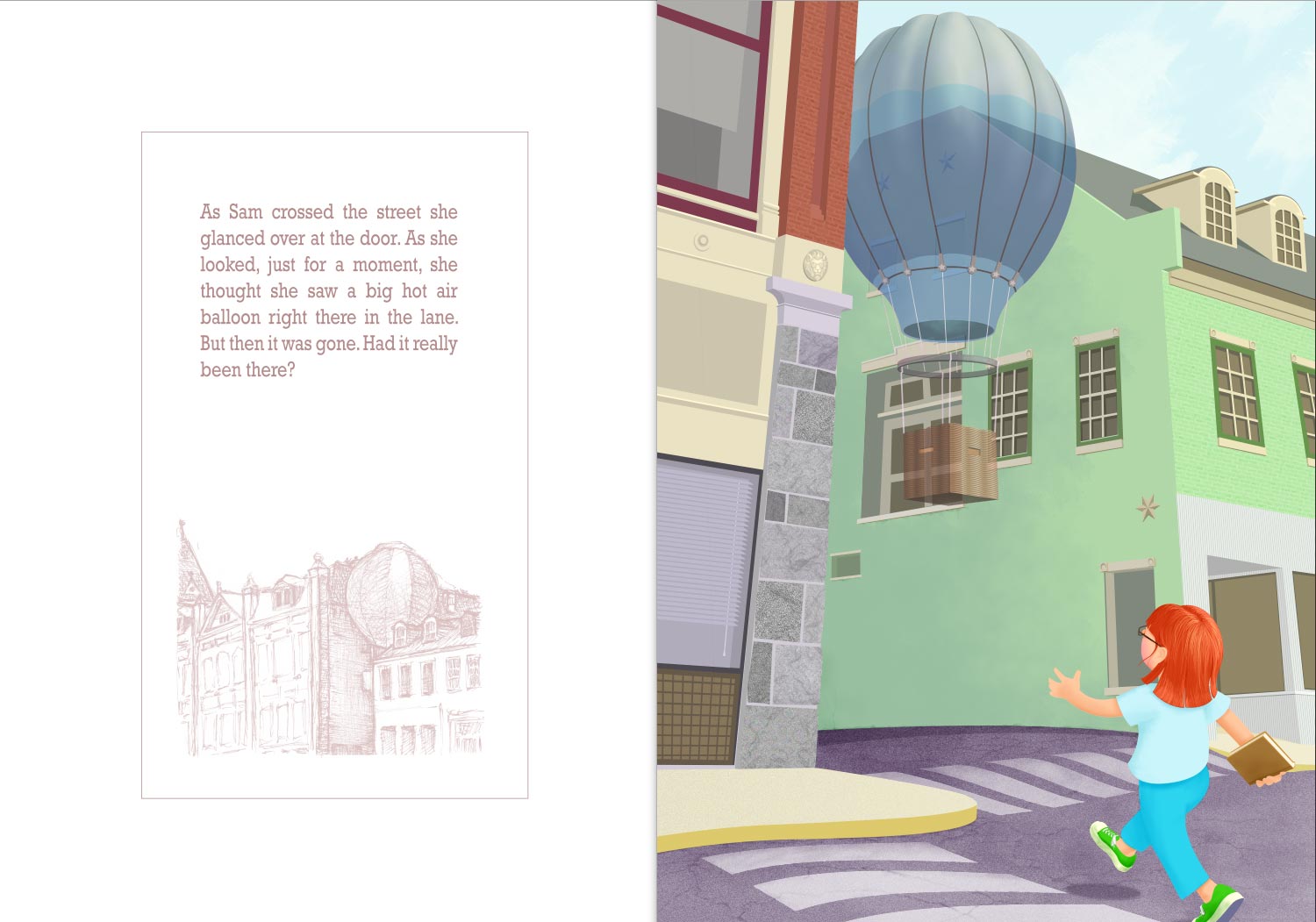
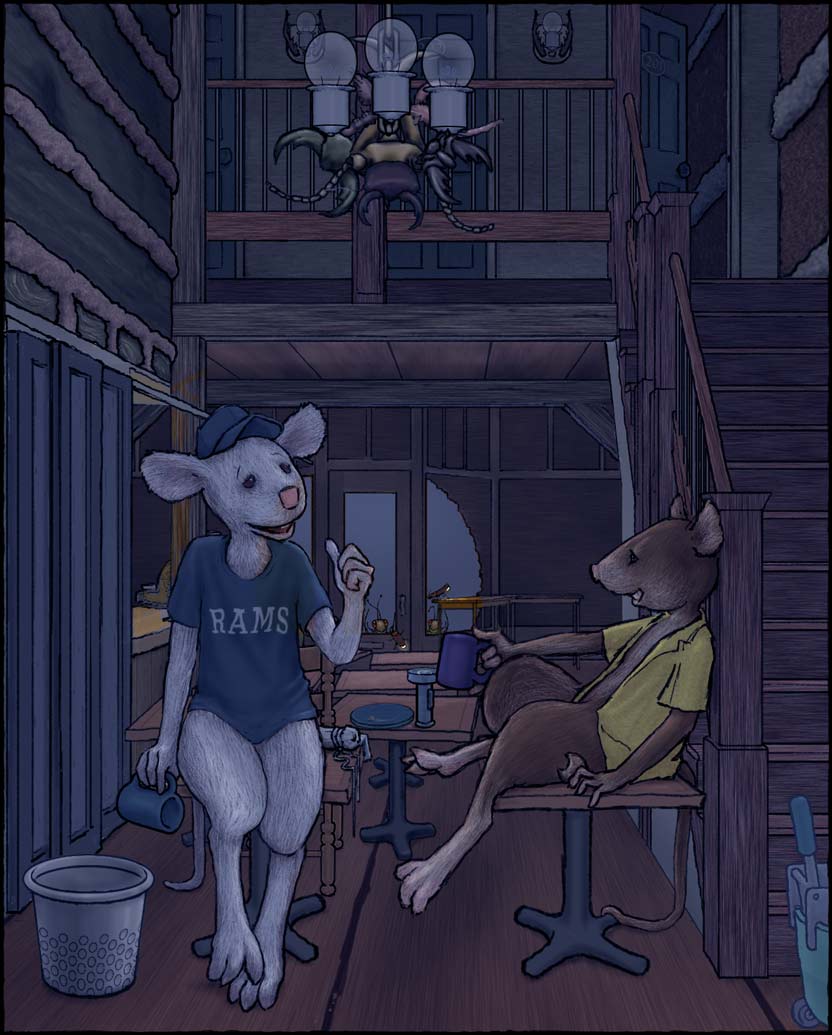
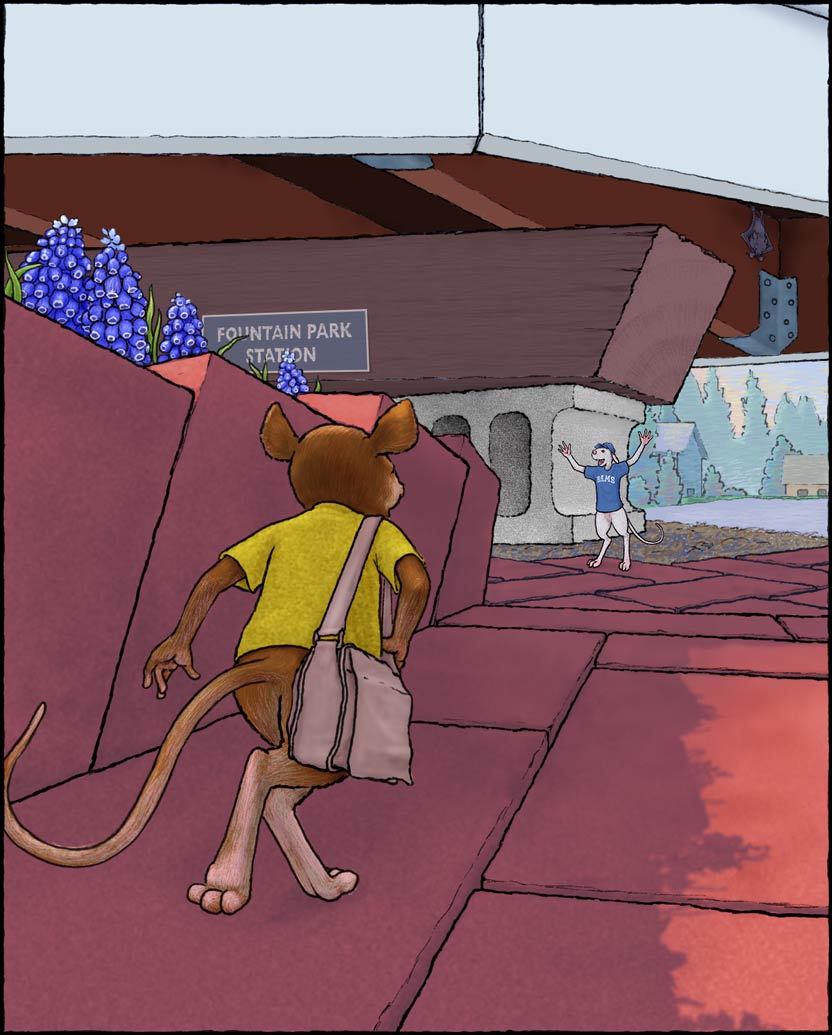
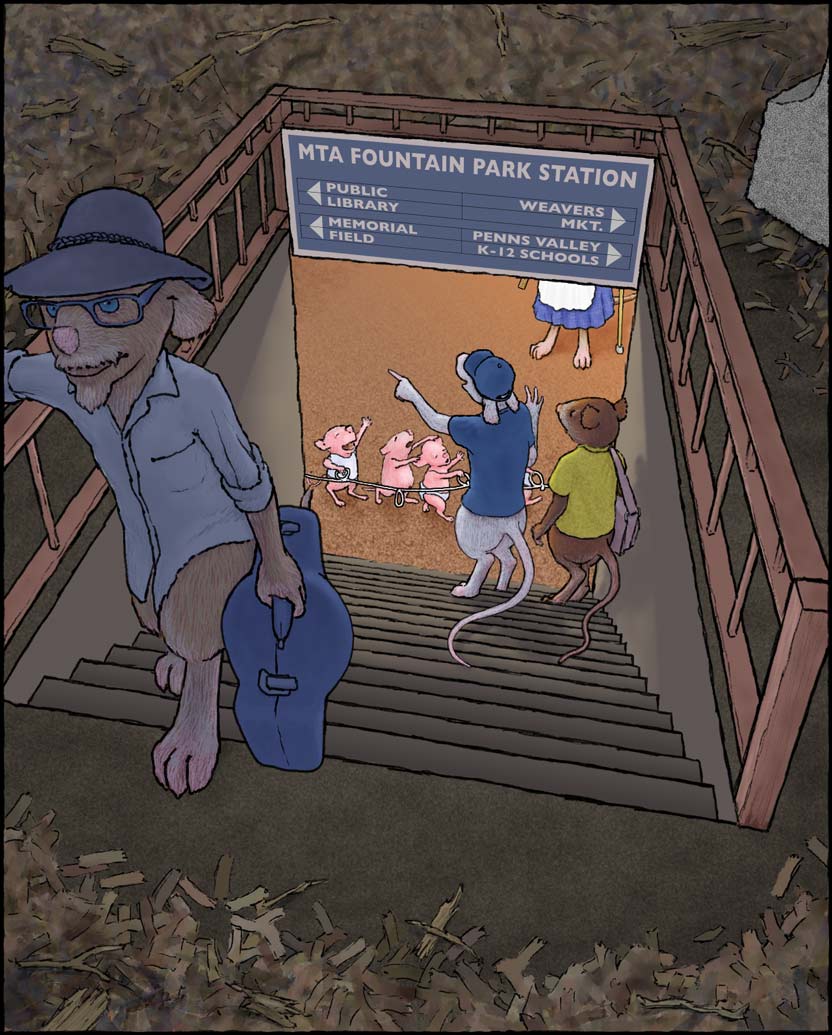
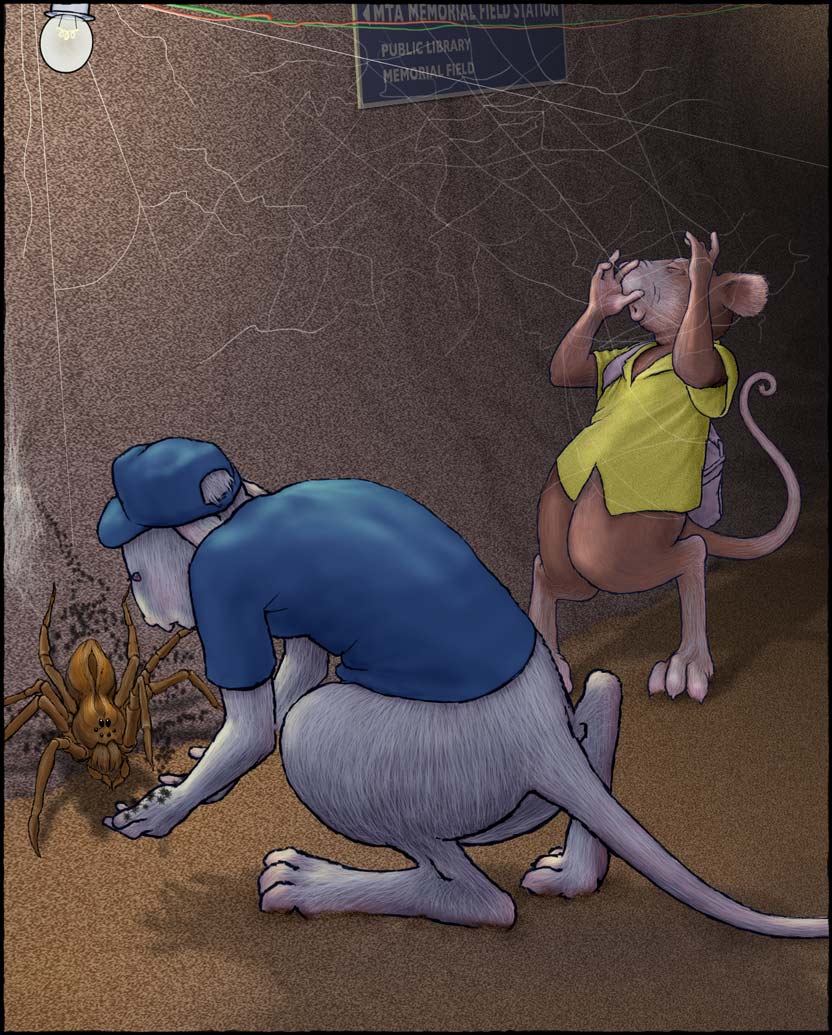
I’ve been plotting this out and knocking around the beginning for a few weeks. I really need a sense of how it’s going to look when we got into the thing, so I worked up two spreads from the middle as a trial. Maybe I’ll work out in both directions? I’m not sure about any of it, but I think the style succeeds in being more contemporary than the pen and ink sketches. We’ll see. I want to include the drawings from the old guy’s sketchbook: Maybe it should be an additional volume included in a pocket somehow? I like the idea of integrating the old drawings with the text.
Seeing the spreads here is a big help. It needs work.
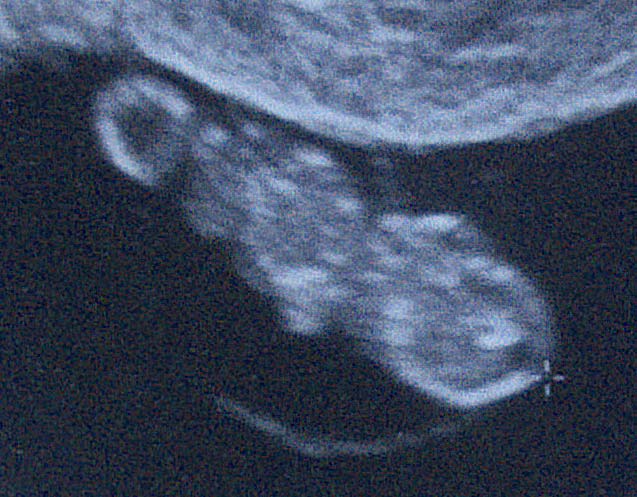
A grandchild. Early stages. I’m excited.
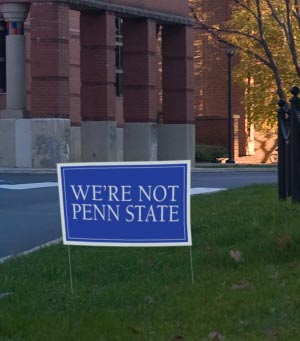 I get into State College very rarely anymore, but when I do I like to pair what ever it is I’m doing in town with something interesting on Penn State’s University Park campus. During my last visit I walked to Pattee, caught Chris Ware and a display in Special Collections, and noted a large number of temporary small signs and very oversized banners that bear the slogan “Penn State Lives Here.” It carried no significance for me. It was a bit empty and generic, but I thought at the time that, even though I feel that way, maybe students just starting will see it for four years, and it will represent their experience at Penn State to them, not me. Okay, I guess. It certainly puts some distance between me and Penn State, though.
Then, posting to twitter, Onward State shared a pointer to a CDT opinion piece by Jay Paterno where Jay railed a bit about the new slogan. I read the piece and had to agree- and I don’t always agree with Jay. Maybe my gut reaction wasn’t so far off of other people’s impressions?
Well over a year ago I sat in a meeting in one of the large rooms at the Nittany Lion Inn. The Penn State Marketing folks were doing a presentation on new directions. These were folks who had worked for Penn State for years—not a group of high priced marketing folks from outside. The message, though, wasn’t ours. The message was what the outsiders had come up with. “Penn State Lives Here” wasn’t any where near a part of what we heard, but maybe it was in the background. What we were told was that we all needed to be delivering the same message. They felt that the slogan, “We Are Penn State” sounded arrogant. It was the first time I’d ever gone to one of these meetings, and it was my last. At the time I wrote a very brief blog post about the event:
“We are Penn State” is arrogant? No. Sorry. Not when we say it. You just sound too much like you want to be Penn State without our input
It had no comments, as most of my more political posts went untouched. I received a response from a high level administrator:
Felt the same way. “we are all brand ambassadors” was a quote that made my skin crawl. Good thing that happened at the end.
It was good to hear support from such quarters. I had verbal support from others, too. I think Penn State paid a lot of money to have someone who knows what to do come in and fix things. I also think that no one wants to tell those outsiders they’re wrong because it means the money was poorly spent, a decision poorly made. But folks? It’s so apparent that it’s not from Penn State: Penn State is so much better than that.
Holidays are a great time for reflection. This holiday happens to be on, or very nearly on, the celebratory occasion of me wrapping up my first year of being employed by me—so my reflection has a harder edged, more assessing sort of purpose. As the boss, I need to see more effort from my staff. There’s been too much time wasted on reading and movies, time spent needlessly on whining, and an abundance of time spent drinking. 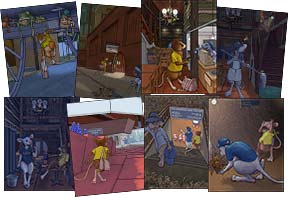 At the end of the year, very little time seems to have been spent on the tasks at hand: creating and learning. As an employee, I need to be glad that I’ve luckily had a few things pointed out by a friend. Over the past year I’ve completely relocated where I work and live, physically and digitally. I’ve totally changed my life style. This has to be seen as an accomplishment. I know that I’ve whined about my circumstance, maybe to my own detriment, and stopping that will make a good short term goal. The creative mental effort, too, behind the small amount of physical work that I’ve done has to stand for progress.
That small amount of physical work… may I share that here? First, as I cast about for a new place to live, I was almost certain I’d move to Millheim. 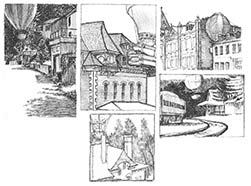 Walking around that area and sketching in the coffee shop let me formulate a story about mice. As that coalesced, the way I shared it and the ways it could be used gathered solidity, too. The entire project still feels right, though not living in Millheim there are only eight drawings finished. Moving to Bellefonte slowed the Millheim story, but walking and sketching in the new town suggested new pictures, new ideas, a new story- or concept. It’s still hard to say. I have over two dozen sketches of Bellefonte’s beautiful architecture with the whimsical balloon travel it suggests. From these sketches several stories grow.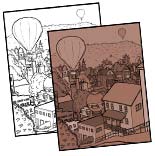
A drawing, done in Flash from sketches, was done as a coloring book submission, and it demonstrated a different style as well as an opportunity for a new coloring technique. That image was rejected by the coloring book people  but another sketch, done to illustrate a very bizarre set of circumstances, was accepted and printed in a beautiful British magazine. “carried with him a beautiful funigutts?” I think I pulled that off fairly well with a cute belly shaped creature that resembled the beloved Brittany… Too bad friends thought it looked like a beach scene. And too bad she was right.
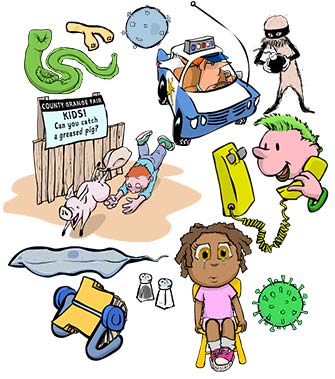 I’ve enjoyed drawing in Flash since beginning with Macromedia’s Flash v.3. It responds well to a wacom tablet, and I think a bit of joy is discernible in the number of small spots created for a six minute, pro-bono biology animation. Too bad the work couldn’t be paid work, but in the end it was satisfying to do and at least a little helpful to my old work group. The work helped me to understand how much I enjoyed working in education- and for that clear insight, the labor was worth all of my effort.
My copy of the Flash application was launched for the first time since loading the CS6 Master Suite. I took the time to familiarize myself again with the animation environment. After I saw the results several friends had using a tablet app to “Simpsonize” their avatars, I tried it myself. I Simsonized me and a young friend, and lip-synced both characters. It worked out well enough and was a good, fun learning project. 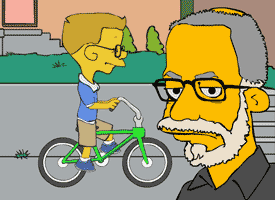
Very recently I had the opportunity to work with a friend’s text and rough out a series of illustrations for a children’s picture book. So far it’s just blocked in movement suggesting finished work. It provides a solid ‘tangible’ so others can discuss concrete issues affecting the way the work may or may not progress. Even though all of it is only sketched into a trial layout, some of the work was satisfying as illustration. Working with a complete text meshes well with the path I’ve already started to a mouse in Millheim and balloons of Bellefonte. The difference is that the story is someone else’s, and the art of it includes understanding, capturing, and maybe trying to enhance someone else’s vision. I think I show some decent work there, over all. And over the last year in general. 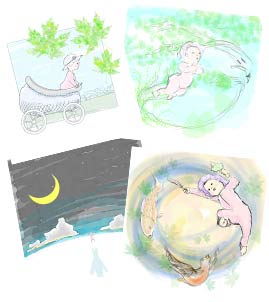
As the boss, I will concede that it’s good to take time to smell the flowers, to read something suggested by a friend, to sit and reflect by the stream. There has to be a limit, though. Starting a new domain, with a new blog, is a few mouse clicks at most. Who are we kidding if we try to spin the past year as focused and productive? Even though we aren’t making any money yet, we are not a non-profit. The coming year needs to show some dedication and real personal development. No excuses; we aren’t believing them anymore.
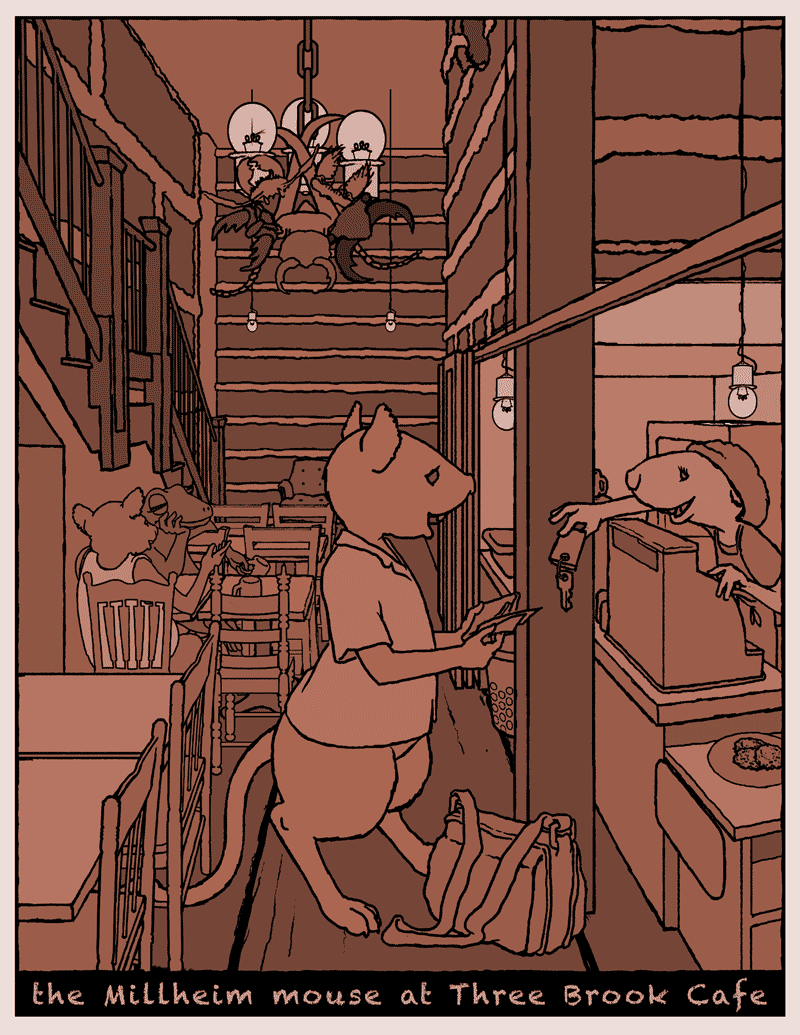 After I rendered the drawing of Bellefonte as a coloring book page, I tried coloring it myself with flat tones just as an experiment. I thought it worked well and I liked the effect. As I work on the Millheim Mouse cartoons, I save versions of each of them as coloring book pages, too. Since I already had some available, I tried coloring one the same way that I colored the Bellefonte drawing. It’s monochromatic- one hue with a range of different values adjusted independently of the hue. I like the way it came out.
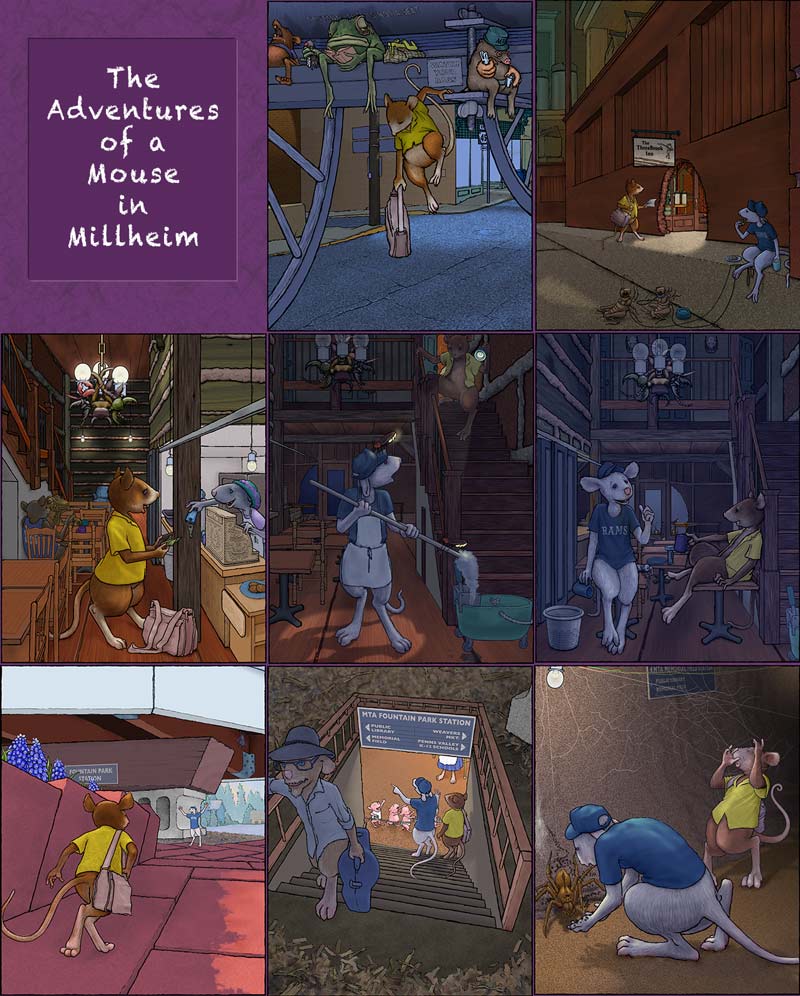 On the simplest level my intent is to tell a story with colorfully rendered, very finished pictures. I have a story and characters in my mind, but no writing talent or skill, nor any desire to write the story. I do have very strong visuals in my head and a clear understanding of what happens and why. Do good stories need to come from writers? Maybe; I can’t be sure; you see I’m too prejudiced in favor of picture makers. My motivation though is more than just not wanting to write or answer to a writer’s commands.
I can see the images printed nicely and distributed in a folder rather than a bound book. There could be blank matching sheets for writing longer form stories, some pages with spot drawings on them. It could be a nice little package. Kids could read my story and see the drawings in the order I placed them, but they could also re-order the images, add others from a small collection of alternatives included in the set, or they could eliminate ones not relevant. In the end, they create their story using my pictures. Pre schoolers could even use the opportunity to tell the story to their parents at bed time. First though, instead of releasing the printed images as my story, I’d like to make them available as a digital download so families or K-6 teachers could print them. Hopefully the images could provide a creative teaching and learning moment.
Last spring, as I drank lots of Inglebean coffee and walked around Millheim sketching locations for the illustrations that need a “place”, I imagined that local images might have a strong effect on kids who are familiar with the locations and would recognize the places in the illustrations. We’ll see. I need to finish them first. I’m figuring around 28 images in my story and a few extras to prompt other tales. I regret only posting this explanation now; I’d mentioned it on Facebook, but since that went away, this stuff seems much too arbitrary. Thanks. And if you don’t know what I’m talking about, the mouse images are categorized as “A Mouse in Millheim” as is this post. If you click the category, all of the posts should be listed.
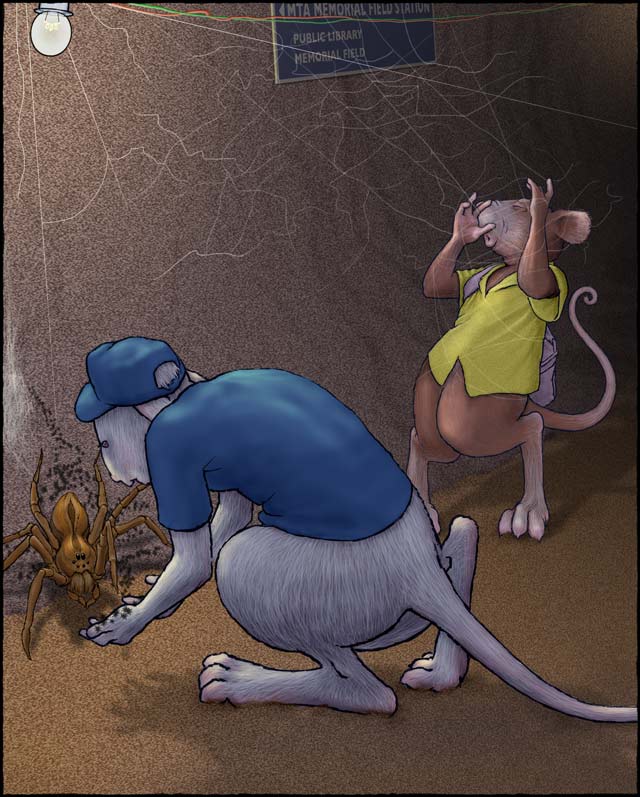
I’ll probably noodle a bit with this yet before I save a final TIFF. I’m not sure about parts of it and seeing it here will help tease any problems out.
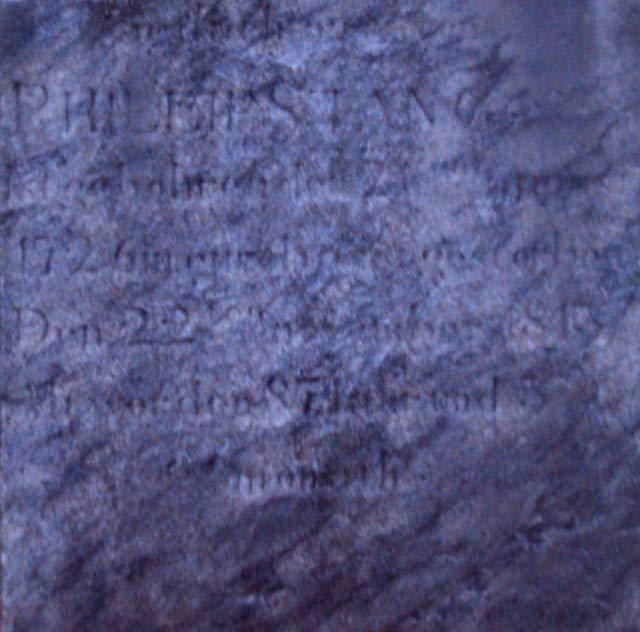
The photo is the face of the tombstone over my fifth great grandfather’s grave. It’s at the cemetery of the Wentz UCC church in Montgomery County, PA. From it I learned that the Stong from whom our family eventually flowered spelled Pillip with two “Ls” and he passed away on November 22, 1813. That’s 200 years ago next week. I celebrate the man, but as a man only; no more nor less responsible for who I am than quite a few other gene contributors.
My mother’s family name, before she married my dad, was Himes. So I carry the genes from the Himeses as well as Stongs. My mother’s parents were Himes and Mack; my father’s- Stong and Ibach. Their parents—my first great grandparents—were a Himes, a Detwiller, a Mack, and a Smith, a Stong, a Sassaman, an Ibach and a Geiger. That’s eight collections of genes intermingling to create me. Tracing back to Phillip Stang I find 128 family names—128 collections of genes—contributing to me. So how important was Phillip, really, in my genetic pool? I can’t be sure. Tradition gives him a place of honor, but there may be a Hartman or Henning or Fry out there who carries more of Phillip’s genes than I do. One of them may even look like him. I look like a Himes.
Traditions usually give us some sort of comfort and I admit to feeling an attachment to this tombstone. The Wentz church where it sits is United Church of Christ and as a child I went to St. Johns UCC. Maybe there are other connections. Did Phillip draw? Could he have enjoyed cooking? Did he give my daughter a desire to be a fireman and an EMT? Or instead, was there a woman—one whose family name wasn’t even recorded—who was alive in the mid Eighteenth Century and who provided the genetic material that gave us all of those passions?
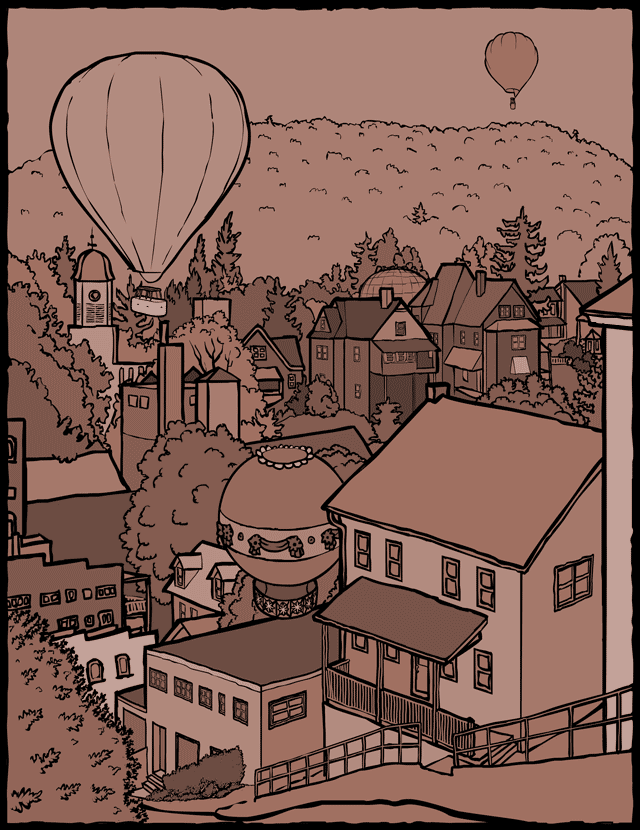
I caught a post that shared an open call for coloring book drawings. A print magazine had requested the submission of black and white drawings for a coloring book, sized for 81/2” X 11″ reproduction. I figured it would be a way to get a sense of whether or not this balloon idea is really worth pursuing. Just a sense. (I already colored this one… had to try it out.)
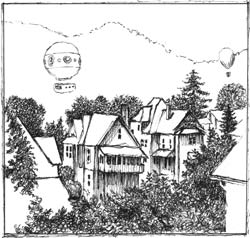
The deadline was very soon. I already had a sketch in my book that I’d done from the top of South Allegheny Street and I could picture it working as an interesting vertical composition. When I opened the book and did an honest assessment, I still thought it could work, but there wasn’t enough information in my sketch to let me make a larger, vertical image that was reasonably true to the landscape.
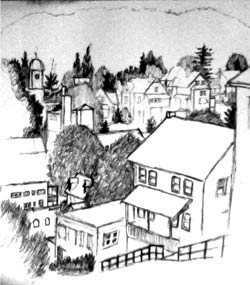
We had an almost warm day last week that encouraged me to climb the crazy hill again, stand outside on the edge of the world and do another sketch. This time I broadened my view and tried to capture more of the scene. I wasn’t trying to compose a picture, just record relationships. It was fun. In my minds eye, as I sketched I started rendering in Flash, and it felt right. I took a snap of the new sketch with my system’s built in camera and used it as a template layer to build my finished drawing on. I have no idea if it will get accepted, but if it does I hope someone familiar with Bellefonte recognizes the town.